Rethinking Lifestyle in the Always‑On Era
For years, lifestyle was sold to us as something you could buy: the right car, the right shoes, the right postcode. But in a world of remote work, digital overload, and economic uncertainty, the modern lifestyle story is changing. It’s less about what you own, and more about how you live — daily.
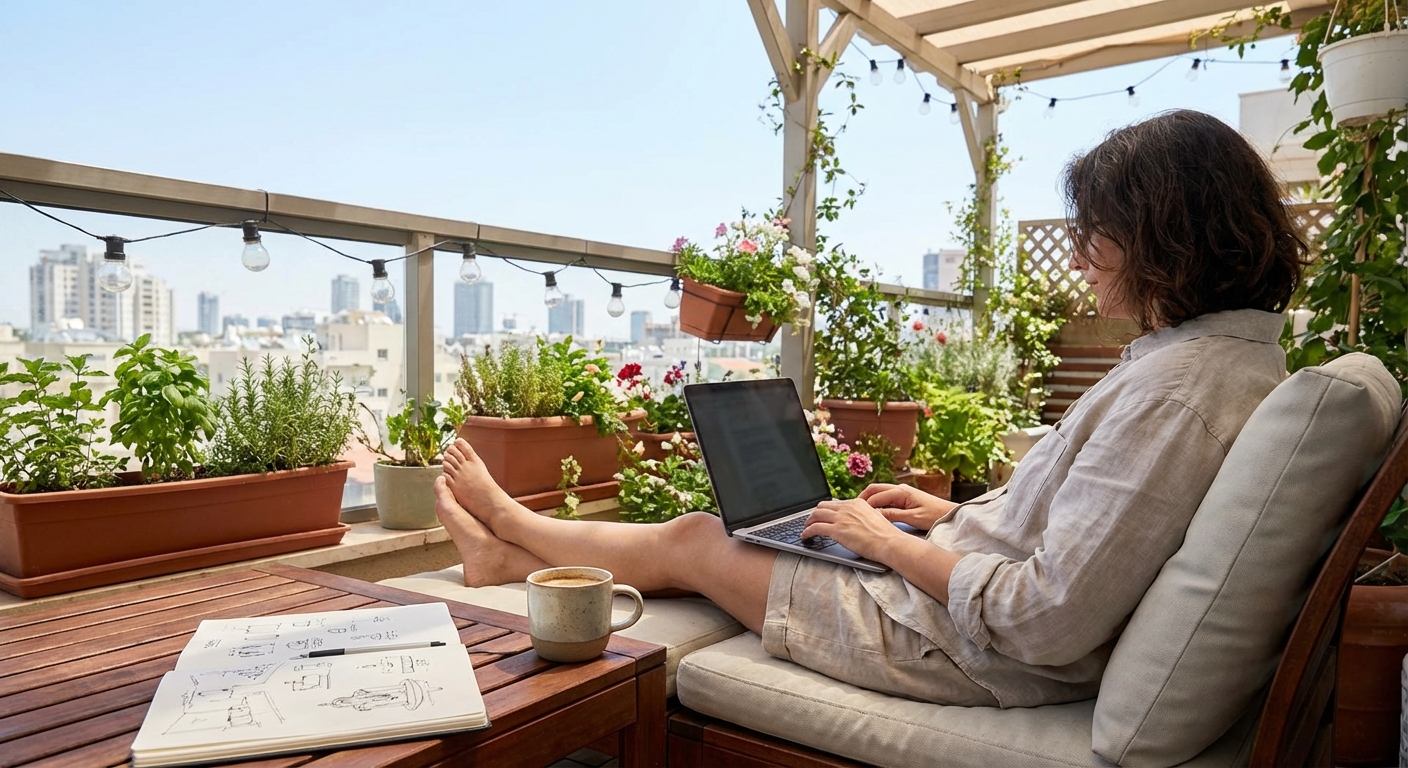
Designing a life you don’t need a vacation from isn’t about escaping reality. It’s about intentionally shaping your reality so it feels aligned, energizing and sustainable. That means rethinking success, work, wellness, and even how we rest.
This isn’t a fantasy for people with endless time or money. It’s a discipline of thousands of small choices that compound into a balanced, fulfilling life.
From Aesthetic to Authentic: What Lifestyle Really Means Now
Scroll through social media and “lifestyle” often looks like latte art and plane tickets. But a modern, grounded definition is more practical:
> Your lifestyle is the combined pattern of your habits, values and environment — repeated every single day.
It’s not a single moment; it’s the rhythm of your life.
A modern, fulfilling lifestyle is built on four pillars:
- Energy – How you fuel your body and mind.
- Alignment – How your daily actions reflect what matters to you.
- Connection – The quality of your relationships, including with yourself.
- Growth – The sense that you’re evolving, not just enduring.
If even one of these is constantly ignored, life starts to feel like survival mode. The good news: you don’t need an extreme makeover. You need consistent micro‑upgrades.
Lifestyle by Design, Not Default
Most of us inherit a lifestyle template: work the hours other people work, rest when other people rest, buy what other people buy. That “default” mode can feel safe, but it’s rarely optimized for your energy cycles, talents, or dreams.
Lifestyle design is the opposite. It asks:- When do I feel most alive?
- What drains me faster than anything else?
- What does “enough” look like for me — in money, time, and attention?
When you ask these questions regularly, you start noticing friction:
- The job that pays well but leaves you emotionally empty.
- The social calendar that’s full, but your soul feels lonely.
- The constant background noise of notifications that never let your nervous system settle.
Modern lifestyle design doesn’t mean quitting everything and moving to a beach. It means adjusting the dials — work, rest, relationships, tech, health — until your daily life starts to feel like it fits.
5 Practical Tips for a Balanced, Fulfilling Modern Life
These five practices are simple, but they’re designed for the reality of a busy, tech‑saturated world. Start with one, then build.
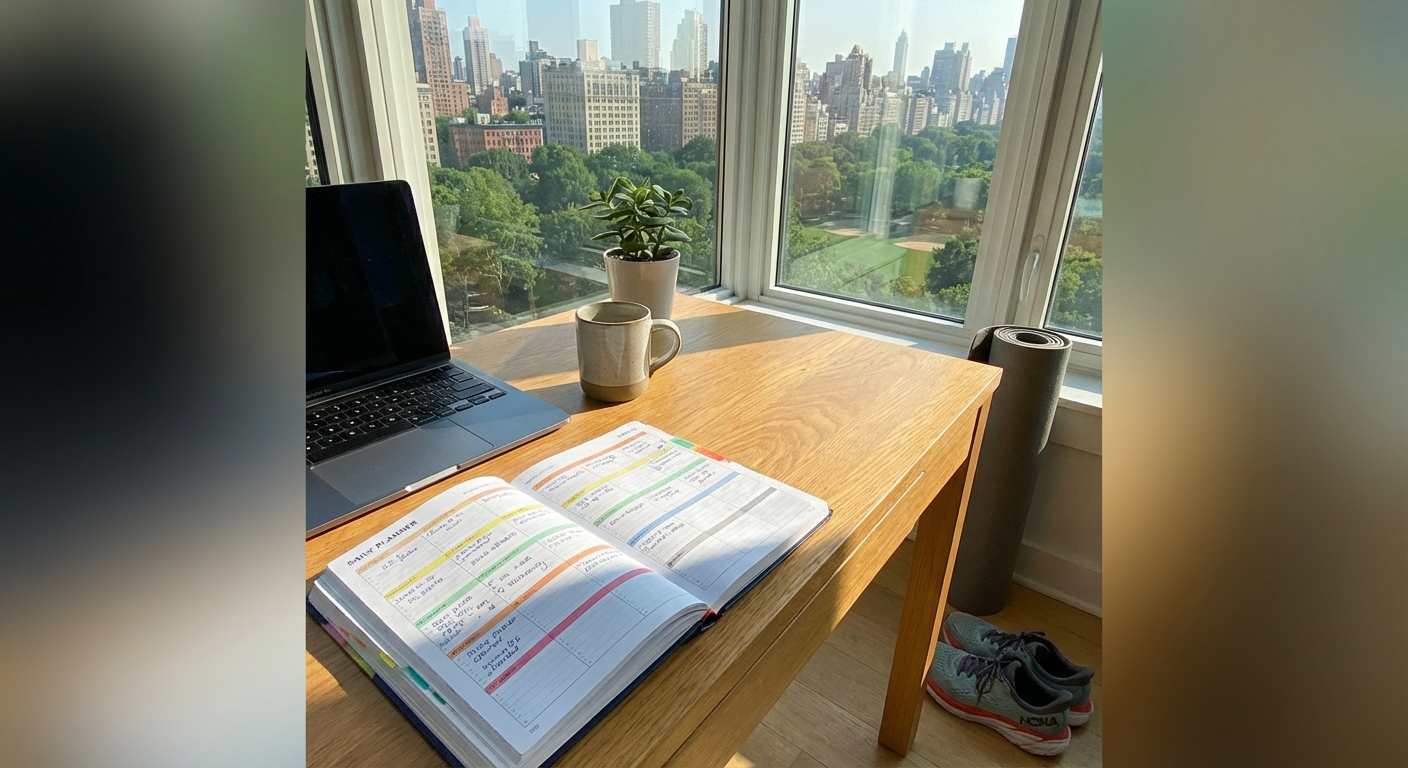
1. Create a Daily “Anchor Hour” (Non‑Negotiable You‑Time)
Your days might be unpredictable, but one protected hour can re‑center your whole life.
How to do it:- Choose any consistent block of 30–60 minutes (morning, lunch, or night).
- Protect it like a meeting with your future self.
- Use it for activities that refuel you: reading, walking, stretching, journaling, planning your day, or a passion project.
Anchors reduce decision fatigue. You start to trust that, no matter how chaotic the day is, there is some time reserved for you — not for your boss, your clients, or your feed.
2. Adopt the “Two‑Screen Rule” for Digital Sanity
Modern lifestyle is heavily digital — which means your attention is always under attack. Instead of unrealistic digital detoxes, use a simple boundary.
The Two‑Screen Rule:- Only allow two active screens in your day: for example, your laptop and your phone.
- If your TV is on, one other screen must be off.
- When you’re in conversation or eating, all screens go away.
You’ll still live a modern, connected life, but with fewer fragmented moments. You reclaim depth — in conversations, in work, and even in how you relax.
3. Design Your Personal “Enough” Standard
Endless striving is a fast track to burnout. Defining enough brings clarity and peace.
Try this exercise:Create three short lists:
- Enough Money: What would cover your needs, a buffer, and some joy — realistically, in your current life stage?
- Enough Work: What is a sustainable number of work hours or projects per week?
- Enough Social: How many meaningful interactions a week make you feel connected, not depleted?
Write them down. Revisit every six months.
Why it works:When you know your “enough,” you can recognize when you’ve hit it — and choose rest or play without guilt.
4. Build Micro‑Rituals Around Transitions
A lot of stress lives in the in‑between moments: between work and home mode, online and offline, productivity and rest.
Micro‑rituals help your brain shift gears.
Examples:- After closing your laptop, take a 5‑minute walk without your phone.
- Light a candle or make tea before you start deep work.
- Use a consistent “shutdown phrase” at the end of the workday: “Today is complete. The rest can wait.”
These small rituals signal safety to your nervous system. Over time, they become shortcuts into focus, calm, or creativity.
5. Schedule Joy With the Same Seriousness as Work
If joy isn’t in your calendar, it’s usually an afterthought.
Once a week, schedule:- One micro‑adventure (trying a new cafe, exploring a different neighborhood, a mini hike, a class).
- One deep connection moment (an unhurried call, a coffee date, cooking with someone you love).
Treat these with the same respect you’d give a meeting. Show up on time, phone away, fully present.
Why it works:Joy stops being accidental. It becomes a reliable feature of your lifestyle, not a rare exception.
Living Intentionally in a Fast‑Moving World
Modern life moves quickly. Algorithms update, markets shift, trends cycle. The temptation is to chase it all — the grind, the glow‑up, the next big thing.
A truly modern, inspiring lifestyle leans in a different direction:
- Toward consistency over intensity.
- Toward alignment over appearances.
- Toward presence over performance.
You don’t need a radical reset to change your life. You need a series of honest questions and small, courageous adjustments:
- What can I release that no longer fits the life I want?
- What already works that I can double down on?
- What is one habit I can start this week that my future self will thank me for?
Designing a life you don’t need a vacation from is not a one‑time project. It’s an ongoing conversation with yourself. The more you listen, the more your lifestyle stops being a brand and starts becoming what it was always meant to be: a lived, daily expression of who you really are.