
Rethinking Wellness in a Hyper-Connected World
Wellness used to mean green juice, gym memberships, and a perfectly curated morning routine. Today, it’s more complex—and more personal. We live in a world of constant notifications, blurred boundaries between work and home, and the quiet pressure to "optimize" every second of our day.
Modern wellness isn’t about perfection. It’s about designing a life that feels sustainable, meaningful, and kind to your nervous system.
This isn’t self-improvement for the sake of productivity. It’s creating a lifestyle where you can breathe, think clearly, and actually enjoy the life you’re building.
In this article, you’ll explore what modern wellness really looks like—and walk away with five practical, realistic ways to live more balanced and fulfilled.
What Modern Wellness Actually Means
Traditional wellness often focused on the physical: eat well, exercise, sleep enough. Those basics still matter, but they’re no longer enough on their own.
Modern wellness includes:
- Mental clarity: managing stress, protecting focus, and reducing digital overload.
- Emotional resilience: feeling your emotions instead of numbing them with scrolling or busyness.
- Relational health: surrounding yourself with people who support your growth, not drain it.
- Purpose and alignment: spending your time in ways that match your values.
It’s not about doing more. It’s about doing what matters, with intention.
The Hidden Cost of “Always On” Living
Our devices have upgraded our lives—and quietly hijacked our nervous systems.
- You’re reachable 24/7.
- Work lives in your pocket.
- Social comparison is one scroll away.
Without boundaries, your brain rarely gets real rest. Over time, this can show up as:
- Brain fog and constant distraction
- Low-level anxiety or irritability
- Trouble sleeping or winding down at night
- Feeling strangely exhausted, even if you “didn’t do much”
Wellness in this era isn’t just about adding good habits; it’s about redesigning your relationship with time, tech, and expectations.
5 Practical Tips for a More Balanced and Fulfilling Life
1. Create a Daily “Nervous System Reset” (10–15 Minutes)
Instead of waiting until you’re overwhelmed, build in a short daily reset to calm your body and mind.
Try this:- Set a timer for 10–15 minutes.
- Put your phone in another room.
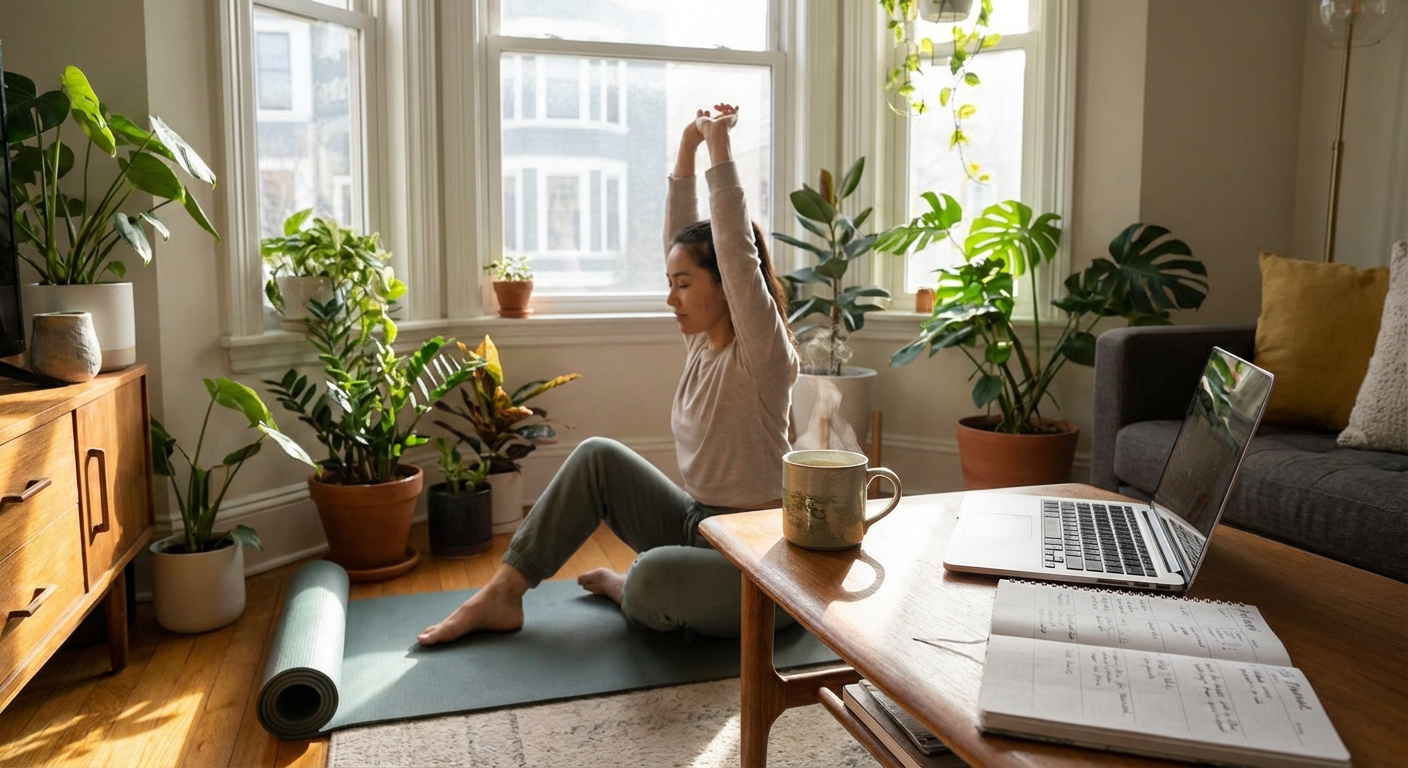
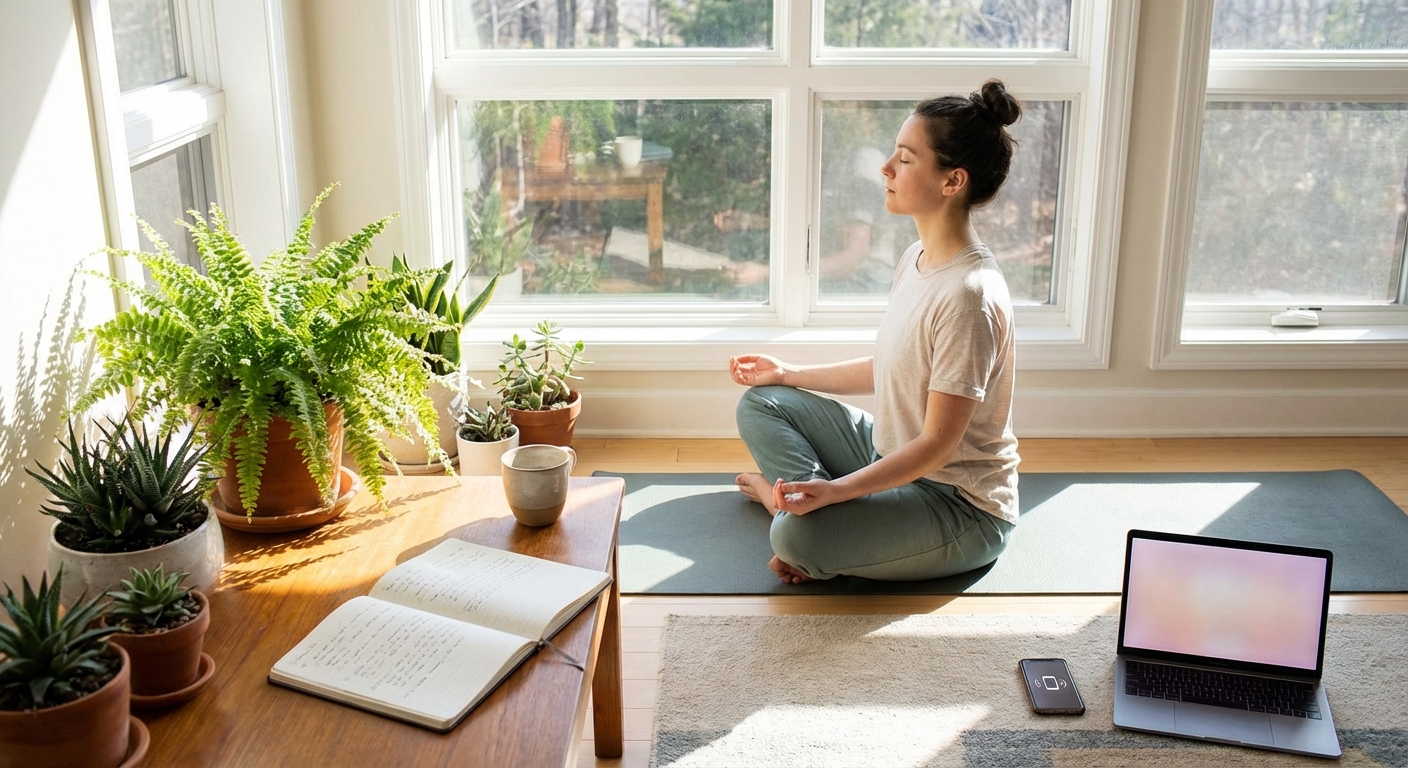
- Choose one grounding activity: slow walking, stretching, deep breathing, or sitting quietly by a window.
Don’t turn it into another performance task. You’re not trying to meditate perfectly—you’re just giving your brain a break from input.
Over time, this daily reset:
- Lowers your baseline stress
- Improves focus
- Makes it easier to respond instead of react
2. Design “Tech Borders” Instead of Full Digital Detoxes
Extreme digital detoxes sound great—but rarely last. What works better are tech borders: clear rules about when and how you use devices.
You might experiment with:- No-scroll mornings: No social media or email for the first 30–60 minutes after waking.
- Single-screen rule: One screen at a time—no scrolling while watching shows.
- Soft shutdown: Decide a time each night when you close work apps and silence notifications.
These small shifts protect your attention, which is one of the most important wellness resources you have.
3. Switch from “Life Goals” to “Energy Goals”
Instead of only setting goals around achievements (promotions, savings, milestones), start setting energy goals.
Ask yourself:
- How do I want to feel during a typical week?
- What kind of energy do I want in my mornings? Evenings?
Then reverse-engineer your choices around that.
Example:- Want calmer mornings? Prep clothes and breakfast the night before, and stop checking work messages before you’ve even brushed your teeth.
- Want to feel less drained after work? Avoid stacking intense social plans on already heavy days.
This approach shifts wellness from “fixing yourself” to supporting yourself.
4. Invest in Micro-Connections, Not Just Big Relationships
We often think of relationships as close friends, family, and partners. But micro-connections—short, positive interactions with acquaintances or strangers—also boost happiness and lower stress.
These might be:
- A quick chat with your barista
- Saying hello to a neighbor
- Sending a two-line voice note to a friend
In a digital age, it’s easy to feel connected online yet lonely in real life. Micro-connections gently rebuild that sense of belonging.
Try this simple rule: one intentional micro-connection every day. It can take less than a minute—and still lift your mood.5. Practice “Gentle Discipline” Instead of All-or-Nothing Wellness
All-or-nothing thinking ruins more wellness efforts than lack of motivation.
- Miss one workout → “I’ve ruined my routine.”
- Eat one heavy meal → “I blew my progress.”
- Break one habit → “I guess I’m just not disciplined.”
You:
- Keep your promises to yourself as often as you reasonably can
- Adjust instead of abandon when life gets messy
- Use curiosity instead of judgment when you slip
For example:
- Didn’t make it to the gym? Do a 10-minute walk instead.
- Ordered fast food? Add a glass of water and move on.
- Scrolled longer than you meant to? Notice what triggered it and tweak your tech borders.
The goal is consistency over intensity.
Building a Wellness Lifestyle That’s Actually Yours
Your version of wellness doesn’t have to look like anyone else’s.
You might prefer:
- Evening workouts instead of 5 a.m. alarms
- Solo walks instead of group classes
- Journaling once a week instead of every day
What matters is that your habits:
- Support your energy
- Align with your values
- Fit the reality of your current season of life
Wellness isn’t a destination or an aesthetic. It’s a living design project—one you’re allowed to keep revising.
Start small. Choose one of the five tips to try this week:
- A daily nervous system reset
- One new tech border
- A simple energy goal
- A daily micro-connection
- Practicing gentle discipline
You don’t need a complete life overhaul. You just need a more honest, kinder way of living with yourself. That’s the new wellness.