Wellness Isn’t an Add-On—It’s a Design Choice
Many people treat wellness like a separate project: workouts, meditation apps, a weekend reset. But if the rest of your life is designed around rush, clutter, and constant distraction, those isolated habits won’t be enough.
A more sustainable approach is wellness by design: shaping your environment, your schedule, and your mindset so that feeling well becomes the default, not the exception.
You don’t need a bigger budget or more free time. You need intentional design.
Part 1: Designing Your Environment for Calm and Clarity
Your surroundings are constantly sending signals to your brain. A messy desk, a crowded room, or an always-on TV quietly increases stress.
Wellness-focused spaces don’t have to be minimalist or expensive—they just need to be intentional.
1. Create One “Low-Stimulation” Zone
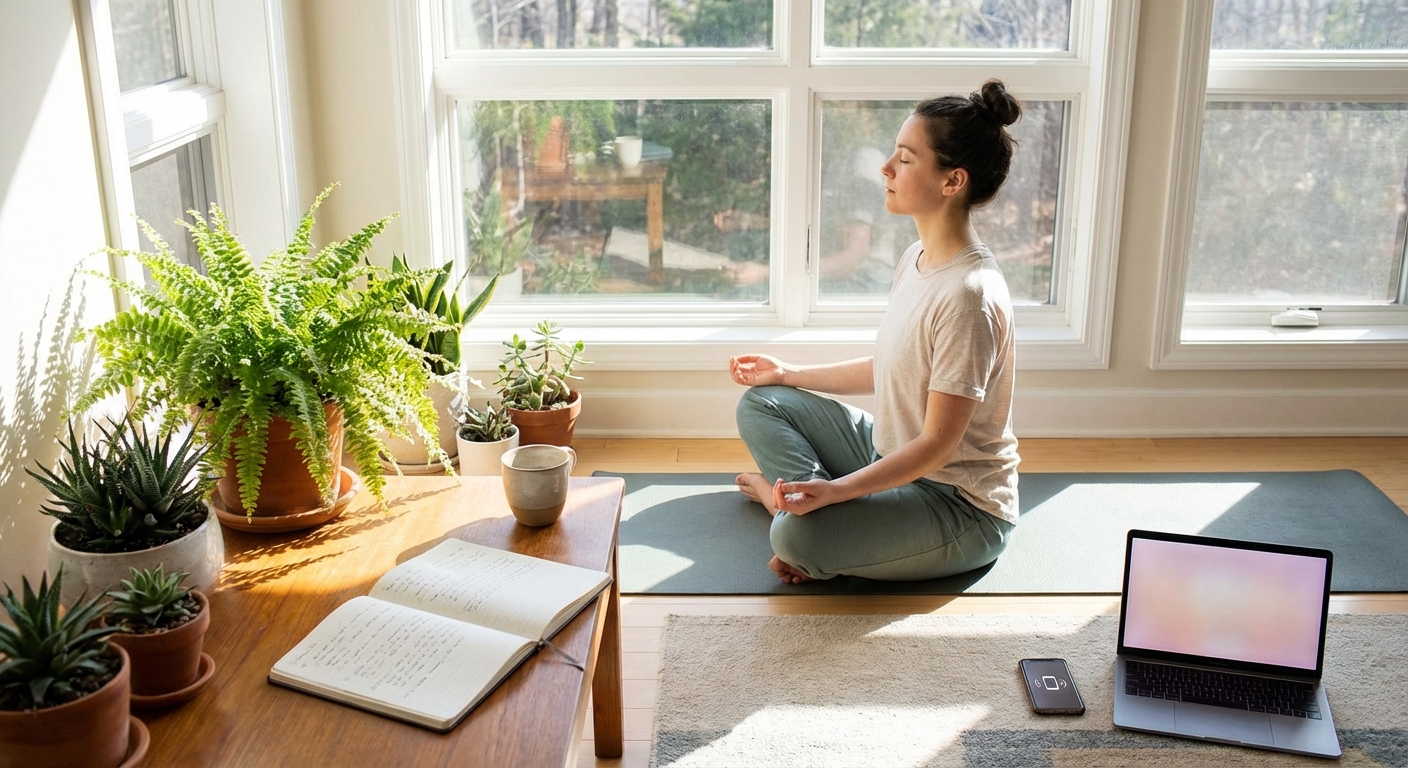
Choose a corner or small area of your home that is dedicated to calm:
- No work devices
- No clutter piles
- No harsh lighting
Add elements that soothe you:
- A comfortable chair or floor cushion
- A plant or two
- Soft lighting (lamp, candles, or warm bulbs)
- A book, journal, or blanket
This becomes your go-to space for decompressing, reading, breathing, or simply sitting quietly.
2. Make Healthy Choices the Easy Choices
Instead of relying on willpower, use design:
- Keep a reusable water bottle on your desk or beside you.
- Place a bowl of fruit or healthy snacks at eye level in the kitchen.
- Put walking shoes by the door where you can see them.
- Store your phone away from your bed so scrolling isn’t your default.
Small shifts in visibility and accessibility dramatically influence your habits.
Part 2: Designing a Schedule That Matches Your Real Life
Many of us build schedules based on wishful thinking instead of reality. This leads to constant self-criticism: "Why can’t I stick to anything?"
Often, the problem isn’t you. It’s the design.
3. Use Time Blocks Instead of To-Do Overload
Instead of writing an endless list, try time blocking:
- Divide your day into a few loose blocks (morning, mid-day, afternoon, evening).
- Give each block a theme (deep work, meetings, admin, personal time, rest).
- Place only a few key tasks in each block.
This approach:
- Reduces decision fatigue
- Protects time for focused work and real rest
- Makes your day feel more spacious, even if it’s full
4. Plan for Real Rest—Not Just Collapse
There’s a big difference between rest and collapse. Collapse is what happens when you’ve pushed too far: you binge-watch, scroll aimlessly, or stare at the ceiling.
Rest is chosen, not forced.
Try scheduling intentional rest blocks into your week:
- A 20-minute nap or lie-down
- A slow walk without your phone
- An hour to read, stretch, or listen to music
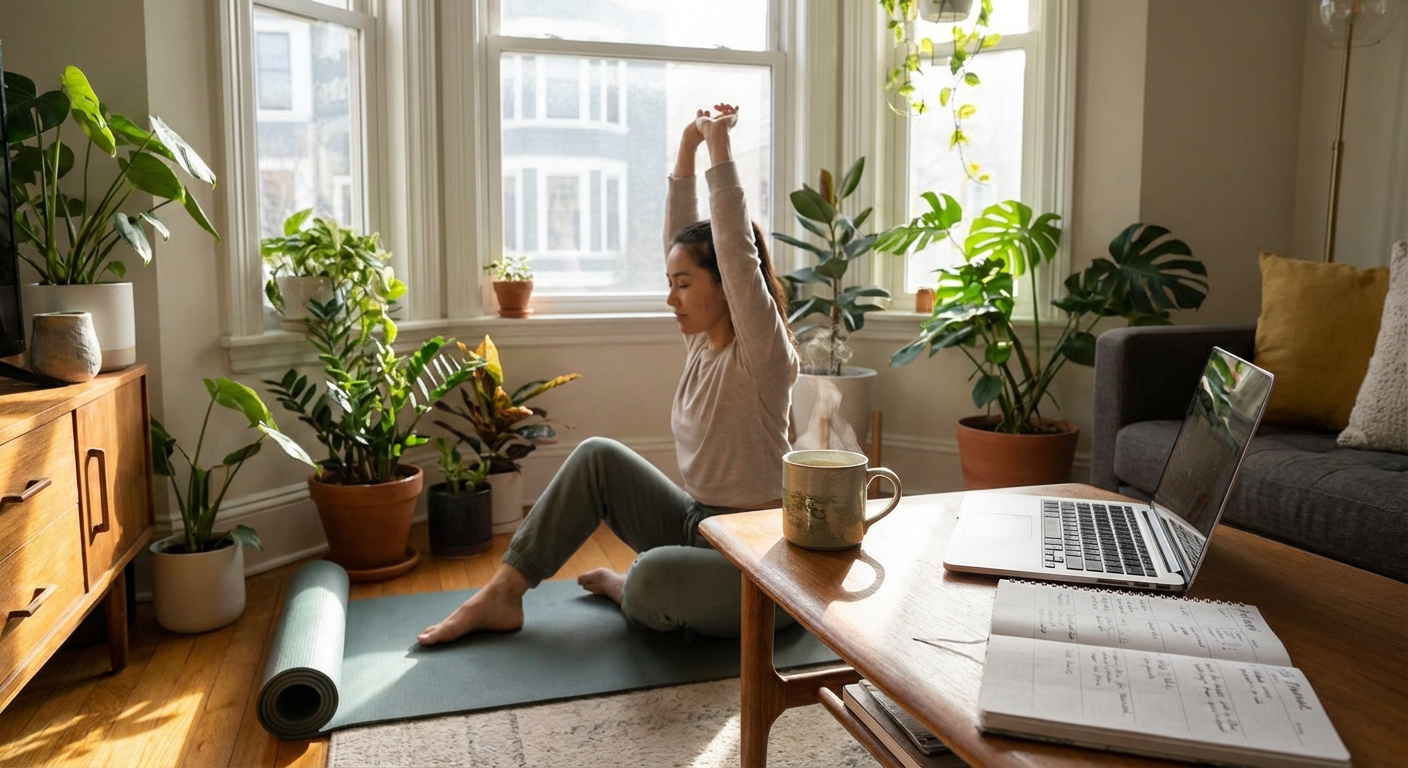
- A tech-free morning coffee
Treat these blocks like real appointments. They’re not a reward for productivity; they’re part of what keeps you well.
Part 3: Designing a Mindset That Works With You, Not Against You
Your thoughts are part of your inner environment. If your self-talk is harsh, wellness practices can start to feel like punishment instead of care.
Modern wellness means upgrading your inner language, not just your outer habits.
5. Replace Self-Criticism With Curious Check-Ins
Instead of asking, "What’s wrong with me?" when habits slip, ask:
- What got in the way today?
- Was I overbooked, underslept, or emotionally drained?
- How can I adjust tomorrow’s design to support me better?
This mindset turns mistakes into data instead of evidence that you’re failing.
6. Aim for 80% Consistency, Not 100% Perfection
Design with your humanity in mind.
Some weeks will be heavier. Some days, you’ll be tired or distracted. Instead of chasing perfect adherence to your routines, aim for 80% consistency over time.
If you:
- Miss a workout → Walk or stretch instead.
- Stay up too late → Prioritize an earlier night tomorrow.
- Fall into a social media spiral → Add a gentle tech boundary the next day.
You’re not starting over; you’re continuing with more information.
5 Practical Tips to Live a More Balanced and Fulfilling Life
Here’s how to apply wellness by design in simple, tangible ways:
- Design a low-stimulation corner in your home where your nervous system can relax.
- Arrange your space so healthy choices are visible and easy, and less-helpful habits are less convenient.
- Block your time into themes instead of overloading your to-do list, protecting space for focus and rest.
- Schedule intentional rest throughout the week so you don’t default to burnout and collapse.
- Practice curious self-reflection and 80% consistency, letting your mindset be supportive instead of punishing.
Your Life Is the Product of Your Design Choices
Wellness isn’t a personality trait some lucky people are born with. It’s the natural result of thousands of small design decisions:
- Where you put your phone
- How you structure your mornings
- Which commitments you honor, and which you release
- How gently you speak to yourself when things don’t go as planned
You don’t have to redesign everything at once. Choose one area—your space, your schedule, or your mindset—and make a single intentional change.
Then build from there.
Over time, you won’t just be doing wellness practices. You’ll be living inside a life that quietly supports your wellbeing, day after day.